How high performers misuse their energy, and how to redirect it toward what actually matters
WORKSHOPS
Topics Include:
-
Wise Effort
How high performers misuse their energy, and how to redirect it toward what actually matters
Explore Workshop →
-
Psychological Flexibility
The six core processes that separate leaders who adapt from those who double down
Explore Workshop →
-
The Honest Organization
What ACT science reveals about avoidance, culture, and the cost of not telling the truth
Explore Workshop →
-
Stress, Burnout, and the Effort Trap
Why working harder is often the problem, not the solution
Explore Workshop →
WISE EFFORT
Highly driven people often know how to work hard.
The problem is that their effort can get misdirected. Their strengths become overused, their genius energy gets spent on the wrong things, and they lose touch with what actually matters.
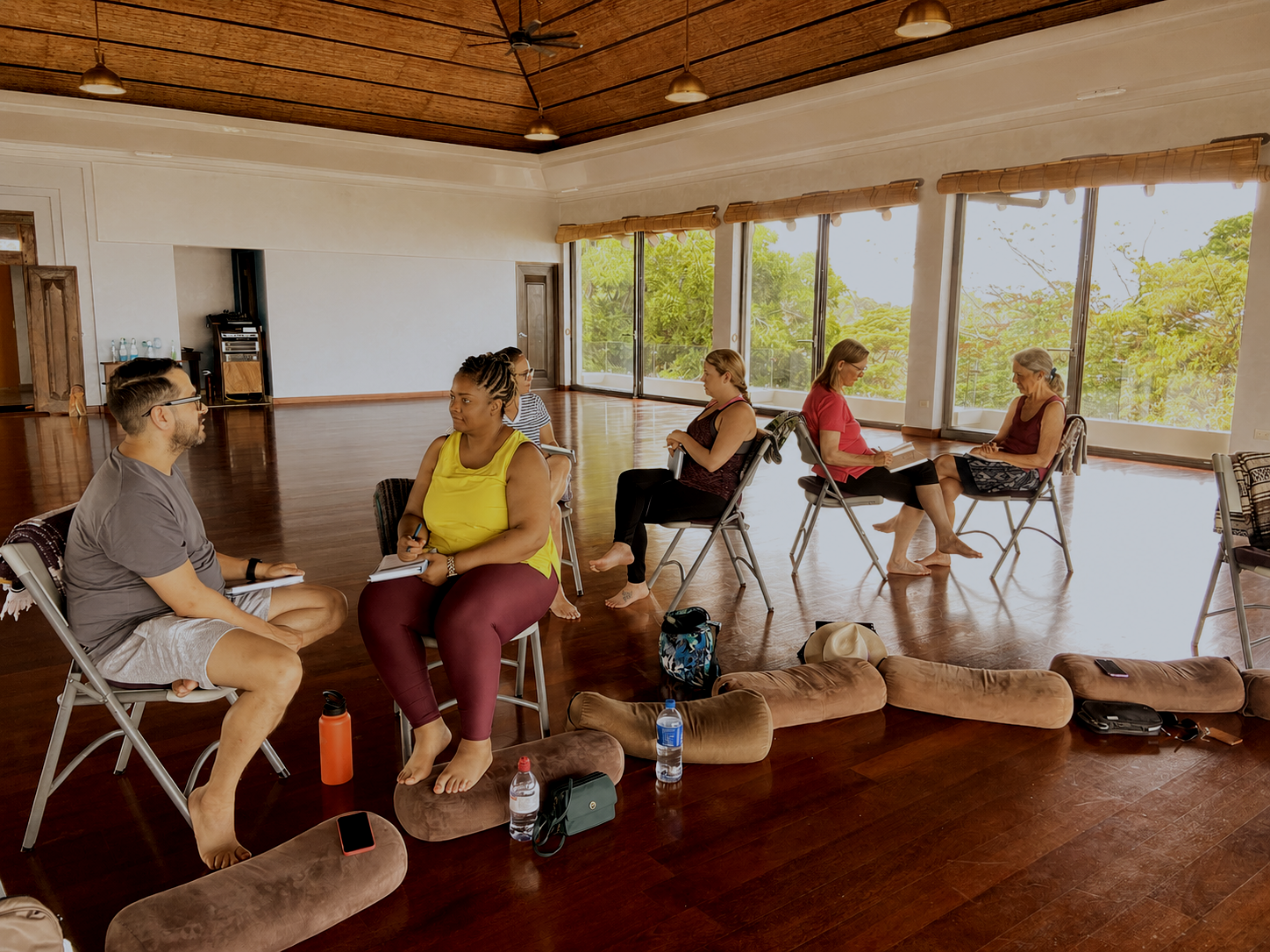
In this experiential workshop, psychologist and author Dr. Diana Hill guides participants through the Wise Effort Method, a practical framework for reclaiming energy and directing it toward values-aligned action.
Drawing from Acceptance and Commitment Therapy, neuroscience, and contemplative traditions, participants will explore where their energy is going, why it gets off track, and how to make wiser choices with clarity, courage, and care.
What you’ll learn
Identify their unique genius energy
Recognize patterns of unwise effort, including overdoing, avoiding, grasping, and proving
Clarify the values that can guide more meaningful action
Build capacity for uncertainty and emotional discomfort
Translate purpose into concrete, sustainable commitments
Who It’s For
Leadership groups, high performers, founders, family offices, retreats, professional teams, and individuals navigating transition, growth, or reinvention.
Outcomes
Greater clarity, renewed vitality, stronger relationships, and a concrete plan for focusing energy where it matters most.
PSYCHOLOGICAL FLEXIBILITY
The skill that separates leaders who adapt from those who double down
In a world of rapid change, intelligence and hard work are not enough. The leaders, families, and organizations that thrive are the ones that can adapt without abandoning what matters.
This workshop introduces participants to psychological flexibility, the evidence-based capacity to stay present, open, and values-guided even under stress, uncertainty, and change.
Through research-grounded frameworks and experiential practices, participants will learn the six core skills of psychological flexibility and how to apply them to leadership, family dynamics, stewardship, and personal growth.
What you’ll learn
Clarify values and use them as a compass during uncertainty
Open to discomfort instead of reacting from avoidance
Step back from unhelpful thoughts, stories, and assumptions
Take a broader perspective in conflict or transition
Strengthen flexible attention and capacity to stay present
Commit to wise action even when conditions are imperfect
Who It’s For
Gatherings, leadership cohorts, next-gen programming, family retreats, succession planning, governance change, liquidity events, role shifts, and periods of personal or organizational transition.
Outcomes
Increased adaptability, clearer decision-making, stronger values alignment, and greater capacity to lead through complexity.
THE HONEST ORGANIZATION
What ACT science reveals about avoidance, culture, and the cost of not telling the truth
Every organization has things it does not say out loud. Avoided conversations, hidden tensions, outdated stories, and unspoken fears can shape culture, decision-making, and trust.
In this workshop, Dr. Diana Hill uses principles from Acceptance and Commitment Therapy and psychological flexibility to explore how avoidance operates inside teams, families, and organizations — and what becomes possible when people learn to tell the truth with courage and care.
This is not about radical honesty as bluntness. It is about creating the conditions where people can see clearly, speak responsibly, and act in alignment with shared values.
Participants will learn to:
Identify patterns of avoidance within culture, leadership, and relationships
Understand how short-term relief can create long-term dysfunction
Recognize the stories, fears, and loyalties that keep people silent
Build psychological safety through values-based communication
Practice telling the truth without blame, withdrawal, or aggression
Turn difficult conversations into opportunities for alignment and growth
Who It’s For
Leadership teams, family enterprises, boards, organizations in transition, founder-led companies, and groups navigating conflict, succession, growth, or cultural change.
Outcomes
Greater trust, clearer communication, reduced avoidance, and a more values-aligned culture.
STRESS, BURNOUT, AND THE EFFORT TRAP
Why working harder is often the problem, not the solution
Burnout does not always come from doing too little to care for yourself. Sometimes it comes from using your best strengths in ways that no longer serve you.
High performers often respond to stress by pushing harder, thinking more, controlling more, or taking on more. These strategies may work in the short term, but over time they can deplete energy, narrow perspective, and disconnect people from what matters.
In this experiential workshop, Dr. Diana Hill helps participants understand the effort trap: the pattern of applying more force to a problem that actually requires a different kind of flexibility.
Drawing from ACT, compassion science, and nervous system research, participants will learn how to shift from threat, and drive into wiser, more sustainable forms of action.
Participants will learn to:
Identify personal patterns of stress, over-efforting, and burnout
Understand the brain’s threat, drive, and caring systems
Recognize when working harder is making the problem worse
Use compassion as a source of courage, not complacency
Practice somatic tools to regulate the nervous system
Redirect energy toward sustainable, values-based commitments
Who It’s For
Executives, clinicians, entrepreneurs, caregivers, leadership groups, professional teams, and anyone carrying high responsibility during demanding seasons.
Outcomes
Reduced burnout risk, increased emotional flexibility, more sustainable energy, and a practical plan for acting with strength, steadiness, and care.
Featured Speaking & FacilitatioN